

Why Is My Pet Suddenly Having Accidents in the House?
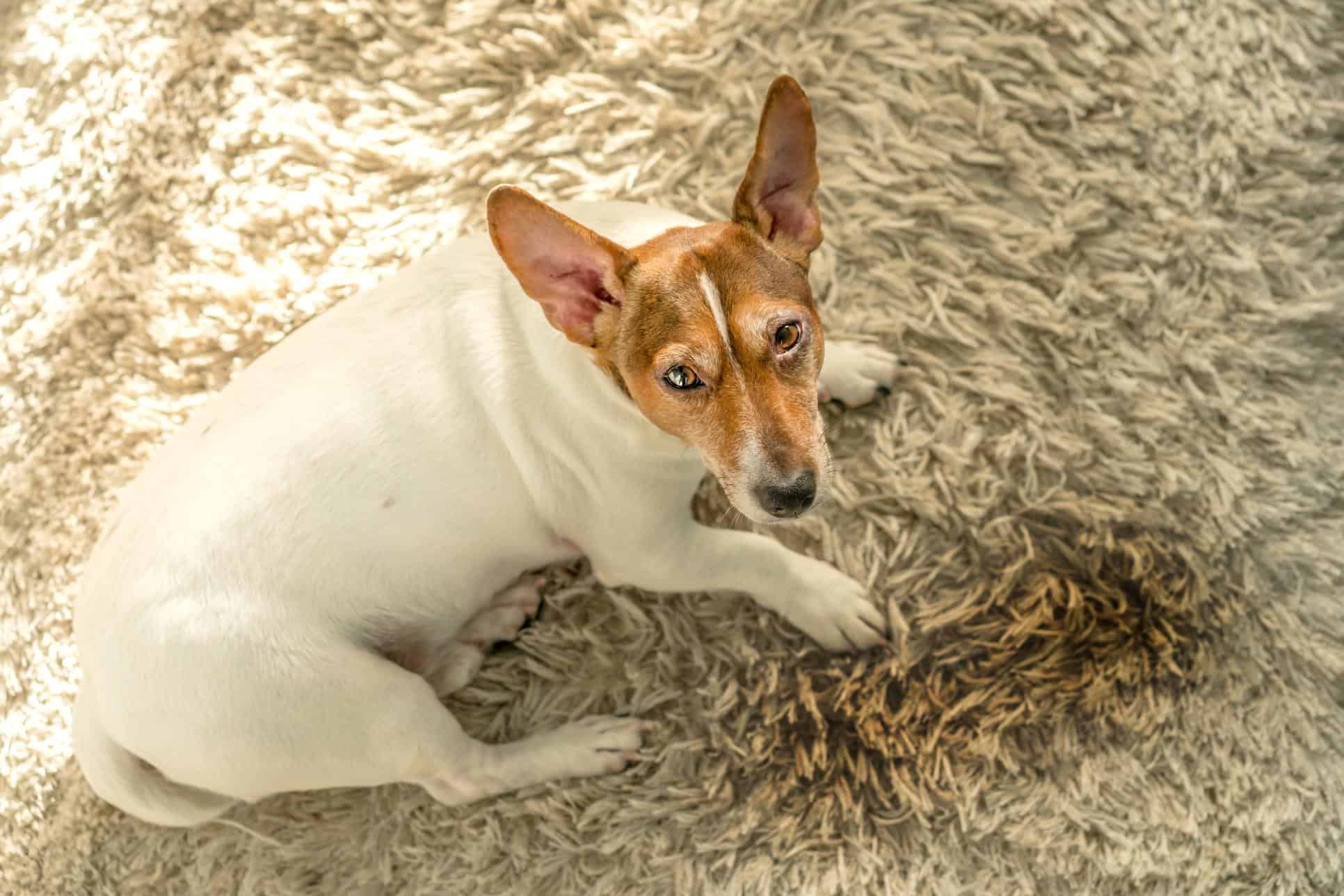
When a reliably housetrained dog starts having accidents or a cat suddenly stops using the litter box, it’s easy to assume you’re dealing with a behavior problem. But sudden house soiling in pets can also signal an underlying medical issue.
At Pet Dominion Animal Hospital in Rockville, Maryland, we recommend paying attention to when, where, and how these accidents happen. Those details can offer valuable clues about what your pet may be experiencing.
Why Is My Housetrained Pet Suddenly Having Accidents?
A sudden change in bathroom habits is worth investigating, especially in a pet who has been reliably housetrained. Medical conditions can increase the urgency or frequency of urination or bowel movements, cause discomfort, or make it harder for a pet to maintain control.
Potential causes may include:
- Urinary tract inflammation or infection
- Bladder stones or other urinary tract problems
- Kidney disease or diabetes
- Gastrointestinal problems
- Pain or mobility limitations
- Age-related cognitive changes
For example, urinary problems in dogs can sometimes cause frequent attempts to urinate, discomfort, or leakage. Older pets may also have difficulty reaching the door or litter box quickly enough because of mobility or cognitive changes.
That’s why it’s important not to dismiss a new accident as simply “bad behavior.” A veterinary exam can help determine whether there’s a medical reason behind the change.
Could Stress or Behavioral Changes Be the Cause?
Sometimes a pet is physically healthy, but something in their environment has changed. Moving, introducing another pet, changing a routine, or experiencing frightening noises or other stressors can contribute to accidents. Dogs may also urinate indoors because of anxiety, excitement, or marking behavior.
Pay attention to other pet behavior changes as well. Is your dog suddenly more anxious or restless? Is your cat hiding more often? Has something changed in your household or daily schedule? Sharing these observations with your veterinarian can help distinguish a behavioral concern from a medical one.
Punishing accidents generally isn’t helpful and may increase fear or anxiety. Instead, clean the area thoroughly, continue providing appropriate bathroom opportunities, and focus on identifying the cause.
Why Is My Cat Suddenly Avoiding the Litter Box?
Litter box problems deserve particular attention because cats can be very good at hiding signs of illness. Urinary tract inflammation, kidney disease, diabetes, digestive problems, pain, and changes in mobility can all contribute to inappropriate elimination.
The litter box itself may also be part of the problem. Cats may avoid a box that’s dirty, difficult to access, in a noisy location, or filled with litter they dislike. As a general guideline, provide one litter box per cat, plus one extra, in quiet, easily accessible locations.
If your cat repeatedly strains to urinate but produces little or no urine, seek veterinary care immediately. A urethral obstruction is an emergency that requires prompt treatment.
When Should I Call My Rockville Veterinarian?
A single accident doesn’t always mean something is wrong, but a sudden or recurring change in a previously housetrained pet deserves a closer look. Contact your veterinarian promptly if accidents occur along with blood in the urine or stool, straining, increased thirst, frequent urination, vomiting, diarrhea, pain, weakness, or other noticeable changes.
Our team can evaluate your pet, look for underlying medical causes, and help you determine the best next steps. Pet Dominion Animal Hospital emphasizes diagnostics and early detection as part of its approach to personalized veterinary care.
Get to the Bottom of Your Pet’s Accidents
If your dog or cat suddenly starts having accidents, Pet Dominion Animal Hospital can help you figure out why. As a Fear Free Certified and Cat Friendly Practice®, we strive to make veterinary visits as comfortable and reassuring as possible for pets and their people.
Call (301) 258-0333 to book an appointment and help your pet get back to feeling and behaving more like themselves.