

Why Some Pets Develop New Fears as They Age
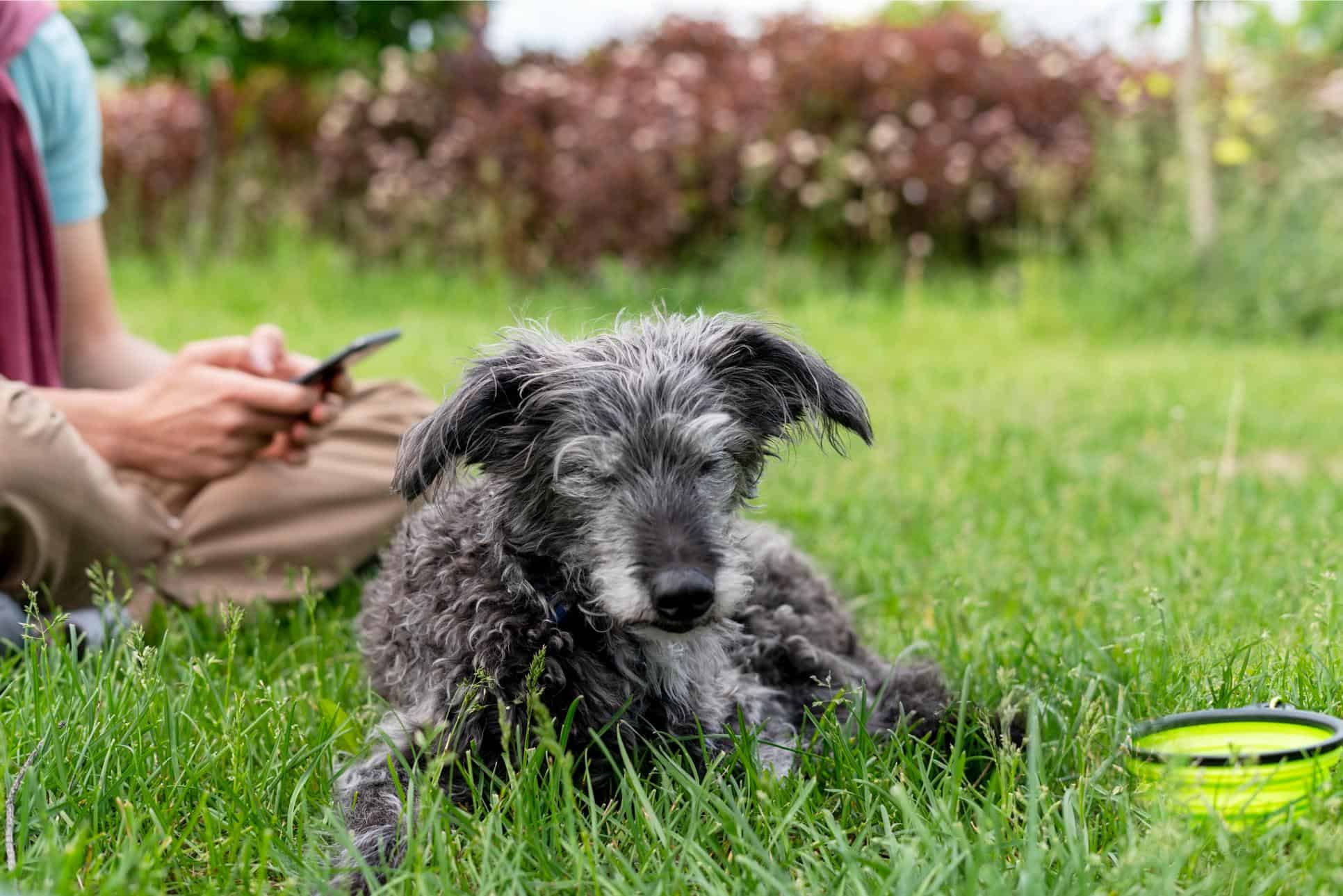
Growing older brings plenty of changes. A dog who once greeted every visitor with a wagging tail may suddenly begin to bark at strangers. A confident cat may begin hiding during thunderstorms or avoiding certain rooms in the house. If your senior pet’s behavior has changed, you are not imagining things. New fears can develop with age, and understanding why is the first step toward helping your pet feel safe and comfortable.
Changes in Senses Can Make Their World Feel Unfamiliar
As pets age, vision and hearing loss become more common. Your home can start to feel uncomfortable due to blurred vision and muffled sounds. When pets cannot clearly see or hear what is happening around them, everyday situations can become startling.
Pets can be frightened by:
- People approaching unexpectedly
- Loud or unfamiliar noises
- Rearranged furniture
- Shadows and dim lighting
- Interaction with other pets
Changes like these don’t signify a difficult pet; they signify giving your pet a little extra patience. It may take some time for your pet to adjust to everyday life with their new unfamiliar loss of senses.
Pet Cognitive Changes Can Affect Confidence
Another common reason for new fears in your pet is pet cognitive changes, sometimes called cognitive dysfunction. Similar to memory decline in people, aging pets can become confused, disoriented, or forgetful.
Changes to pay attention to:
- Wandering around the house
- Getting stuck in corners
- Seeming confused in familiar places
- Sleeping more during the day and pacing at night
- Separation anxiety
These changes can make even familiar environments feel overwhelming. A pet that once confidently explored the backyard may suddenly hesitate to walk outside. Little things that never bothered them before can suddenly start to seem scary and affect their cognitive health.
Age-Related Anxiety Is More Common Than Many Owners Realize
Many senior pets also develop age-related anxiety. Physical discomfort, arthritis, declining senses, and cognitive changes can all contribute to increased stress.
Signs include:
- Excessive barking or meowing
- Pacing or restlessness
- Clinginess
- Trembling
- Hiding more often
- Reluctance to try new things
Even fearful pets that have always been a bit shy may become more sensitive as they age. Keeping a consistent daily routine, providing soft bedding in quiet areas, using nightlights, and avoiding sudden surprises can all help your pet feel more secure.
Most importantly, never assume these behaviors are simply a sign of old age because fear is your pet’s way of telling you that something is not quite right.
Talk to Your Veterinarian
Any sudden change in your pet’s behavior deserves attention. While aging is a natural process, new fears can sometimes point to an underlying medical condition, chronic pain, hearing problems, vision loss, or cognitive dysfunction.
Your veterinarian can perform a thorough examination to determine whether there is a medical reason behind your pet’s behavior changes. They can also recommend treatments or management strategies to improve your pet’s quality of life.
Help Your Senior Pet Feel Safe Again
If your aging dog or cat has started showing new fears or unusual behaviors, do not wait to seek advice. The compassionate veterinary team at Pet Dominion can evaluate your pet, identify the cause of the changes, and recommend personalized care to help them stay happy, healthy, and confident throughout their senior years.
Schedule an appointment today and give your best friend the comfort and support they deserve.