

Why Your Pet’s Annual Bloodwork Is More Important Than You Think
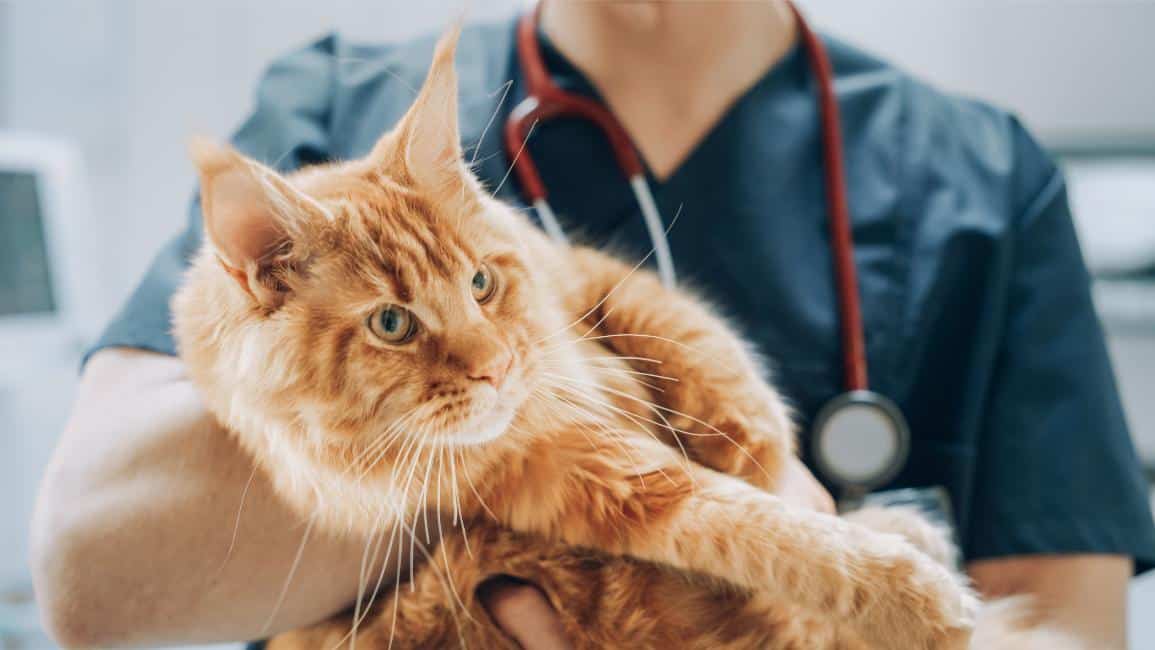
Life technically should slow down in the summertime, but for many of us, it’s as busy as ever. This can make pet parents feel like skipping any scheduled wellness visits or exams. It’s tempting to put them off until the fall, when things calm down…or so we tell ourselves.
The truth is, life is never perfectly calm and stress-free, and your pet still needs an annual wellness check to stay healthy. One of the most important parts of a routine veterinary exam is pet wellness bloodwork.
Today, the team at Pet Dominion will share why preventive lab testing in pets is a crucial and unmissable step in your summer plans.
Read more: Why Your Pet’s Annual Bloodwork Is More Important Than You ThinkWhat is Included in Annual Blood Testing for Pets?
A yearly blood test for a cat or dog usually includes two main parts: a complete blood count, or CBC, and a chemistry panel. Together, these tests help us evaluate your pet’s red and white blood cells, organ health, electrolyte levels, and overall health.
A CBC specifically helps your veterinary team take stock of your pet’s immune function. It can help us spot signs of infections, inflammation, or anemia. In a chemistry panel, we can assess how well your cat or dog’s liver and kidneys are functioning. We can detect imbalances in blood sugar, proteins, and the balance of your pet’s electrolytes.
In short, these tests are essential in helping us establish a baseline and monitor any changes your pet experiences over time.
And that’s the key to why routine veterinary bloodwork is so important: many diseases develop slowly. They don’t hit your pet all at once, out of nowhere. When we perform annual blood tests, we can catch these diseases in the earlier stages, before they become more serious and challenging to treat.
Early Disease Detection in Pets: Which Diseases Can Bloodwork Catch?
Blood testing can help your veterinary team identify many common conditions, including kidney disease, liver disease, diabetes, anemia, and infections.
Here’s a quick breakdown of how bloodwork can help us get started on treatment for these diseases more quickly:
- Kidney disease: Blood tests can detect elevated blood urea nitrogen (BUN) and creatinine levels, which can tell us that kidney function isn’t what it should be, even before symptoms of the disease appear outwardly.
- Liver disease: If we notice increased liver enzymes, this can signal damage to your pet’s liver cells, infection of the liver, or inflammation.
- Diabetes: High blood glucose levels in pets can point to early or mild diabetes, which is easier to treat than diabetes at the advanced stages.
- Infections and inflammation: Changes in your pet’s white blood cell counts can point to viral or bacterial infections that we can help treat.
- Anemia: Low red blood cell counts can point to blood loss, bone marrow disorders, or chronic diseases that are best spotted and treated early.
- Electrolyte imbalances: Abnormal potassium, calcium, or sodium levels tell us your pet may have an endocrine disorder, organ dysfunction, or even a straightforward yet serious dehydration.
- Thyroid disease: Blood testing can show elevated thyroid hormone levels, which can be associated with hyperthyroidism, an issue that particularly affects our feline family members.
A head start on treating any of these diseases means your pet has a better chance of a successful recovery.
Pet Wellness Bloodwork in Rockville, MD
Are you ready to get a peek at your pet’s internal health—and stay ahead of any potential problems? Reach out to our friendly team at Pet Dominion by calling (301) 258-0333.